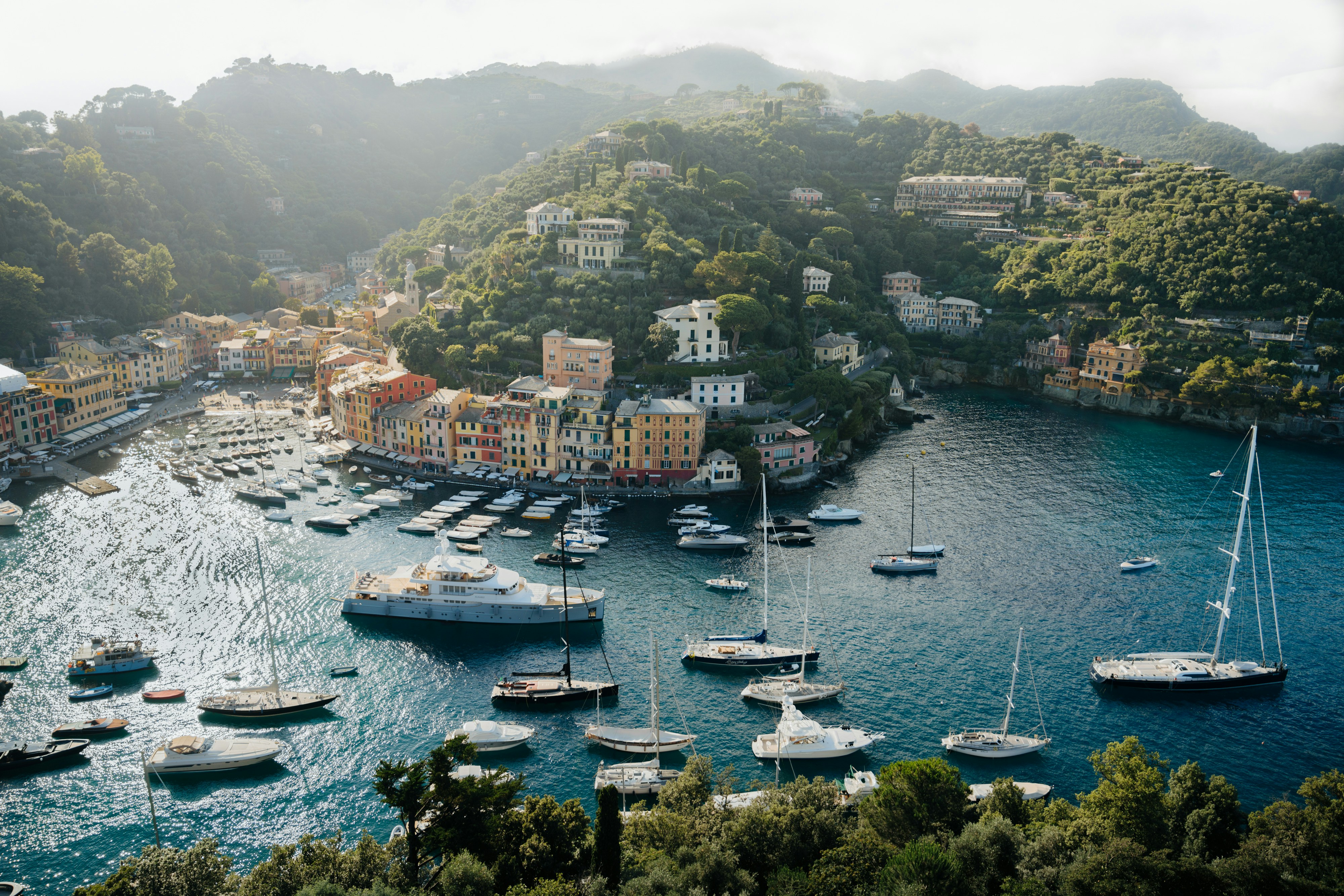
Few stretches of coastline are as dreamy as the Italian Riviera, with stunning beaches and pastel houses stacked above the water. It is the place where you have long lazy lunches and experience a kind of quiet glamour that never feels like it's trying too hard. Where you base yourself comes down to two things: how much you're willing to spend on a hotel and what your preferred mode of travel is. Camogli, Santa Margherita Ligure and Rapallo sit on the same train line and are easy to hop between. Portofino is the odd one out. There's no railway into the village and parking is both scarce and eye-wateringly expensive as we got to experience, so the smart ways in are by boat or by taking the bus from Santa Margherita Ligure. Taking a boat from Santa Margherita or Rapallo is the way to go in my opinion — arriving by sea is half the magic. And if you can afford to stay in one of the luxury hotels in Portofino itself for a few nights, you definitely should as staying overnight lets you experience it without the daytime crowds.
You can technically visit almost any time of year, but the best time is in late spring and summer, when the water is warm enough to swim. For the best balance of good weather and thinner crowds, aim for June or September. Avoid August if you possibly can: it's when the whole of Italy takes its holidays, and the coast is at its most crowded and most expensive. We travelled there early September, with hotels being a bit cheaper and the skies still beautifully blue.
The most easygoing and unpretentious of the four, and a smart choice if you want a comfortable base without Portofino prices. Expect a long palm-fringed seafront, elegant Belle Époque and Art Nouveau villas, a little castle planted right at the water's edge, and a cable car that climbs to the hilltop sanctuary of Montallegro for sweeping views over the bay. It feels more lived-in and local than its glossier neighbours, which is precisely its charm.
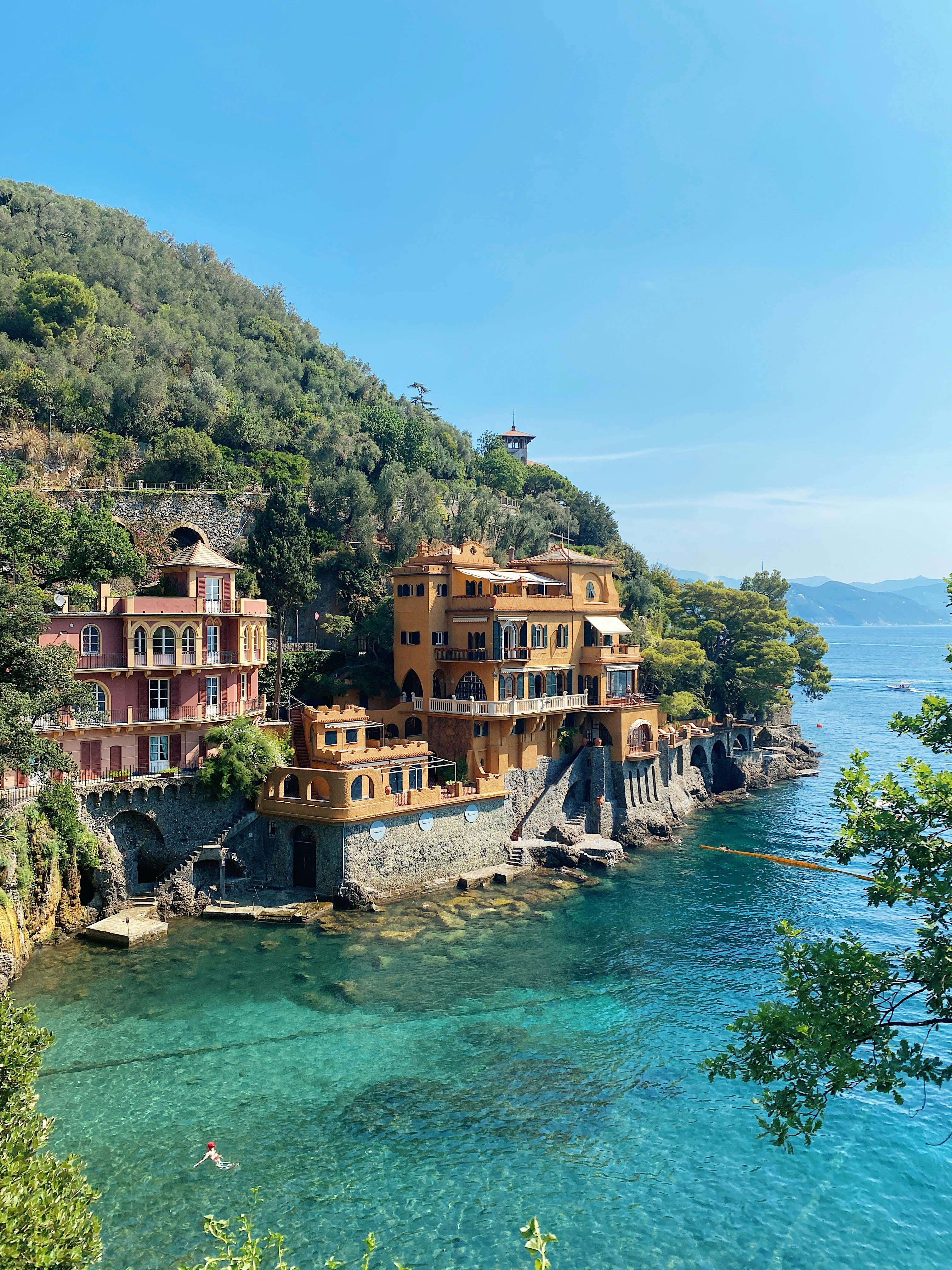
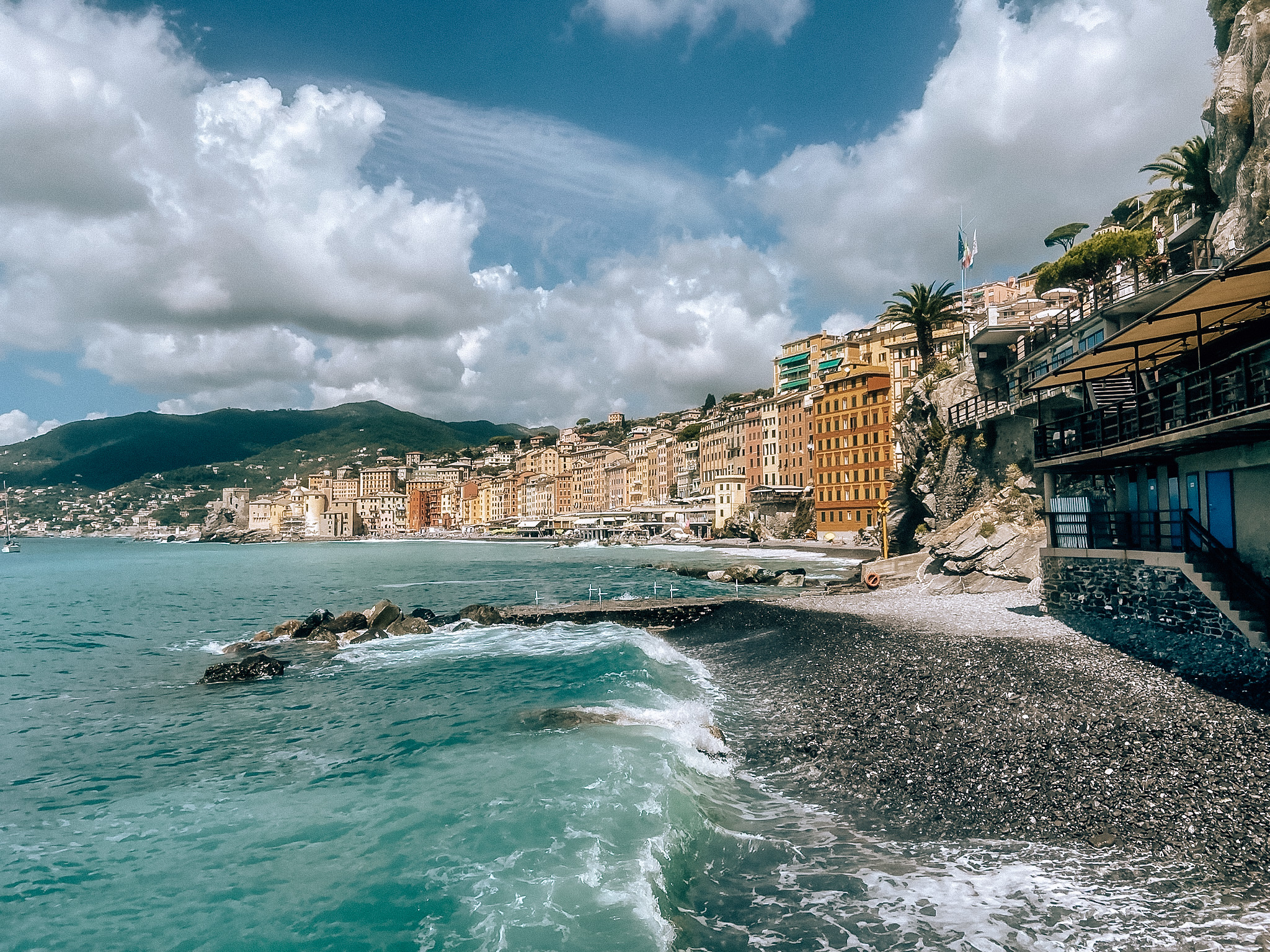
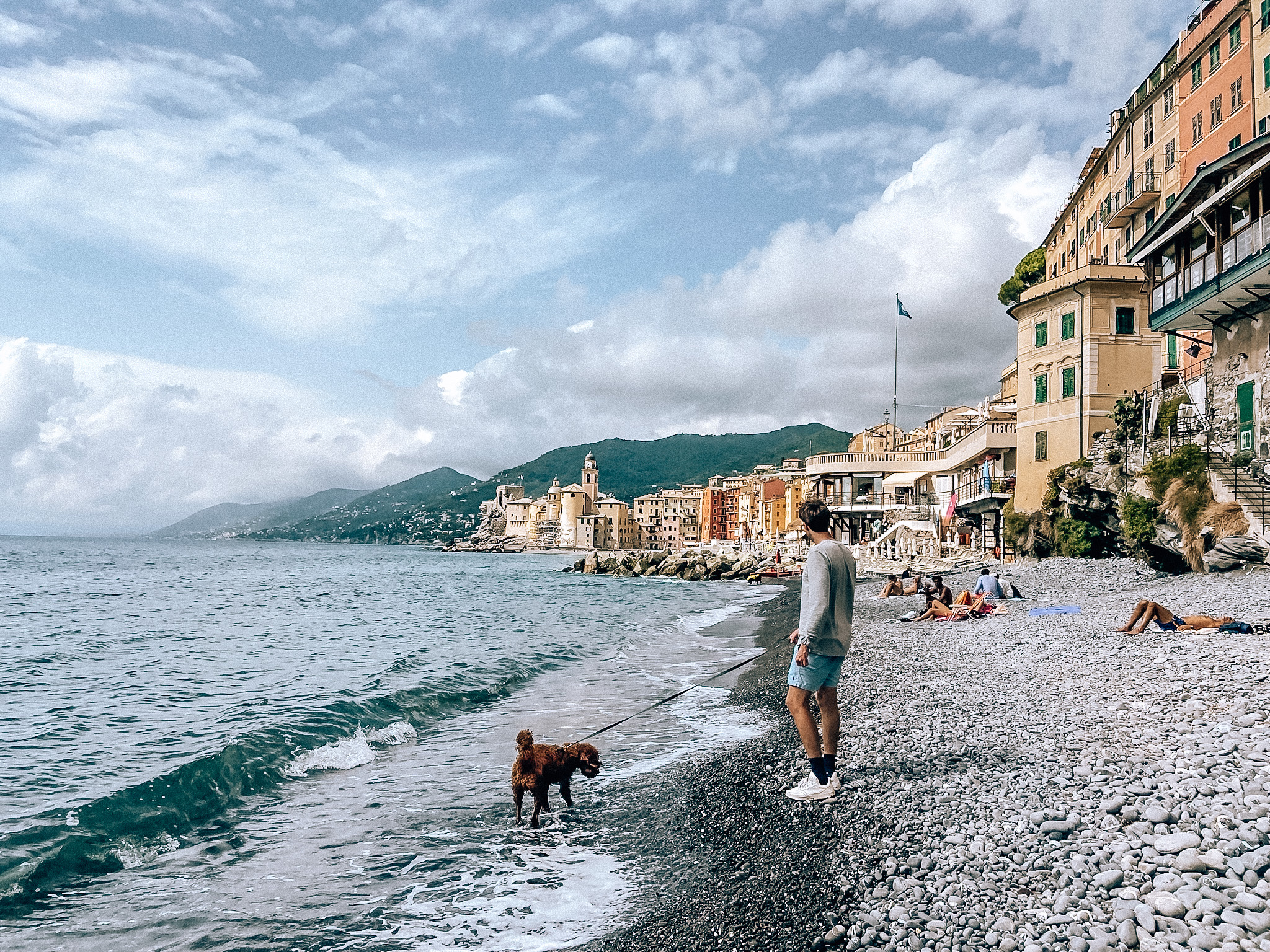
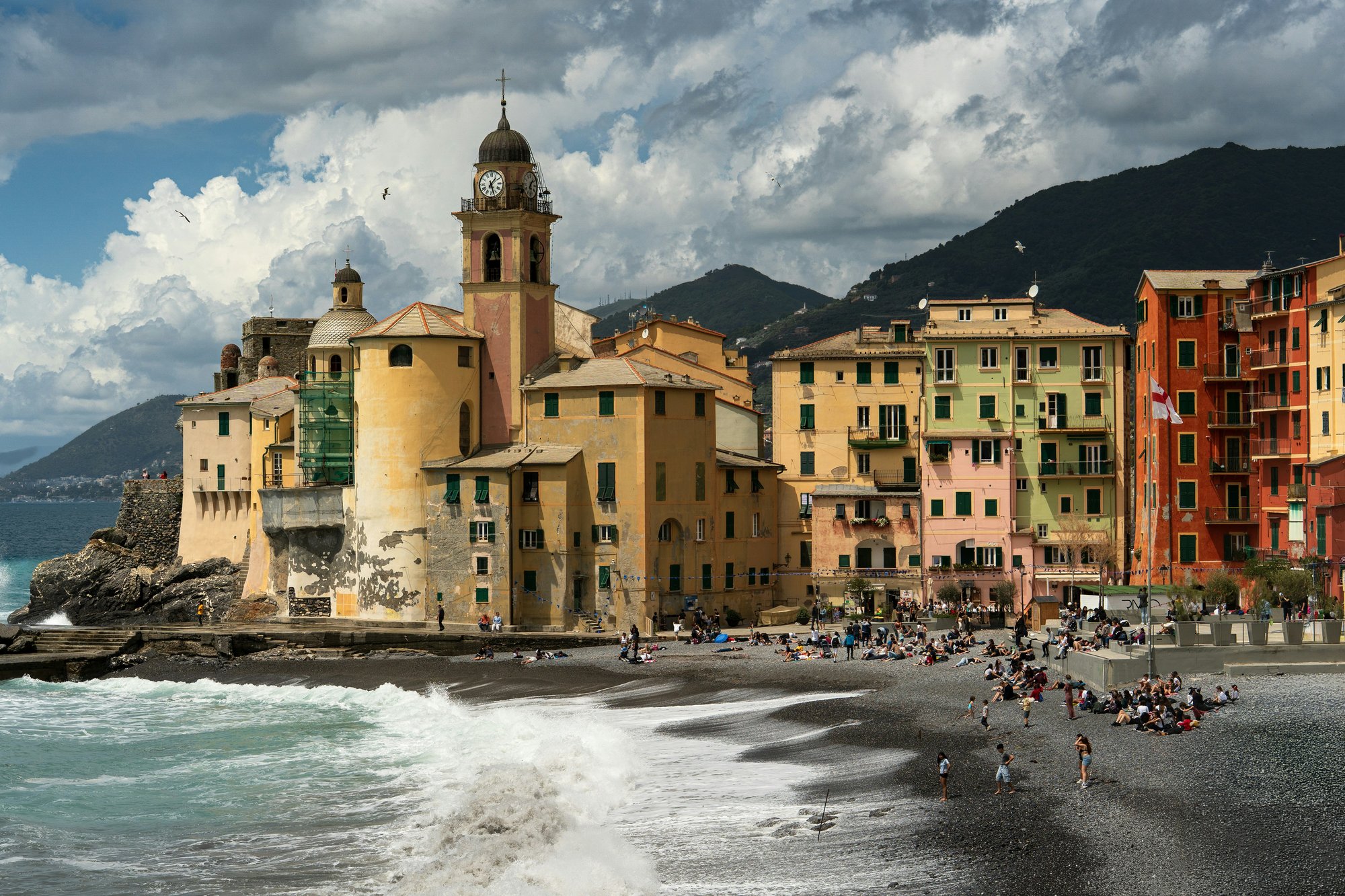
The quietest and least touristy of the bunch, and the one locals tend to call the Riviera's hidden gem. I can only attest to that. Tall, narrow houses painted in faded ochres and pinks line up to a small harbour, with a handful of pebble beaches, an atmospheric old centre, and more than enough good restaurants.
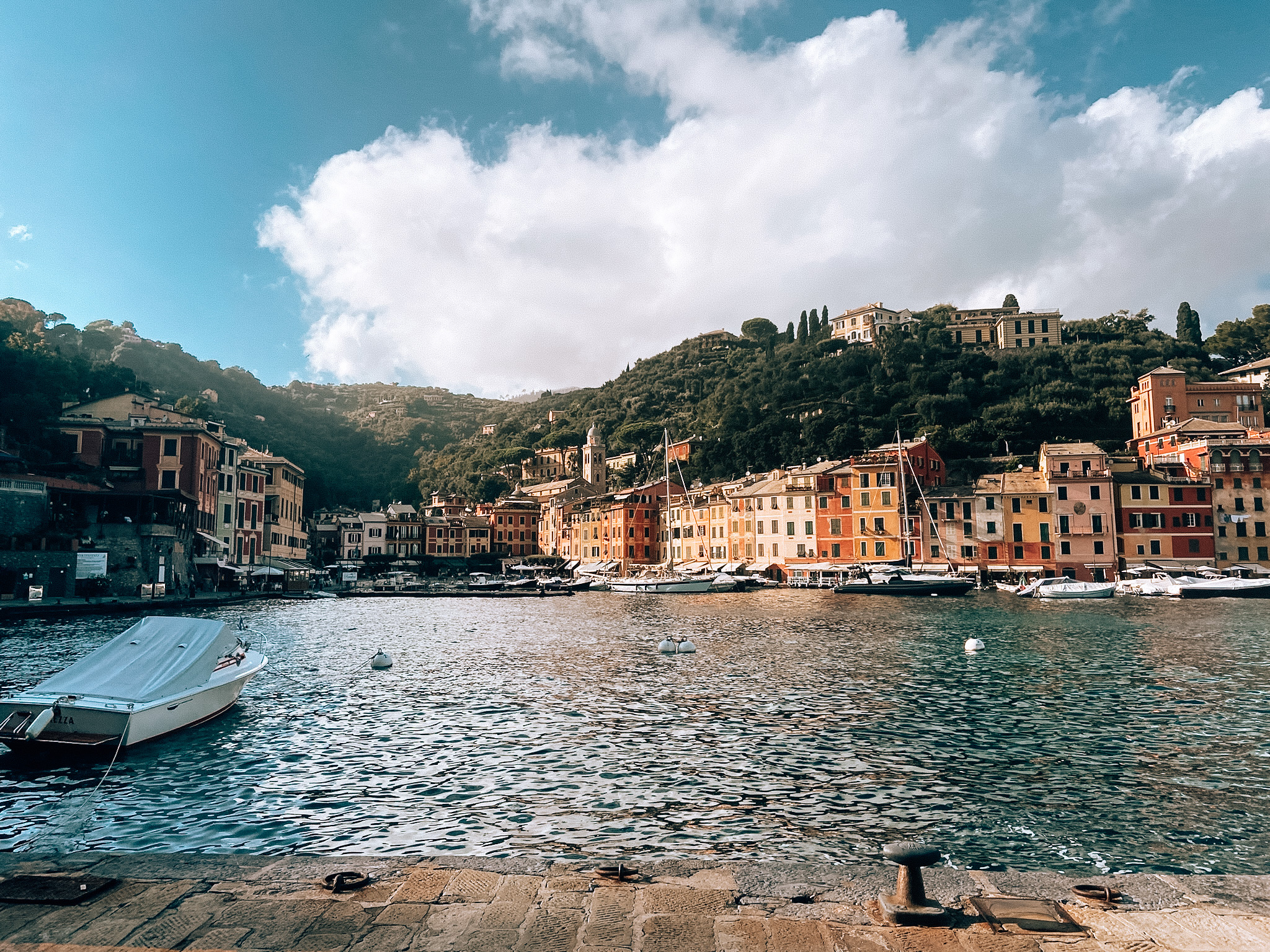
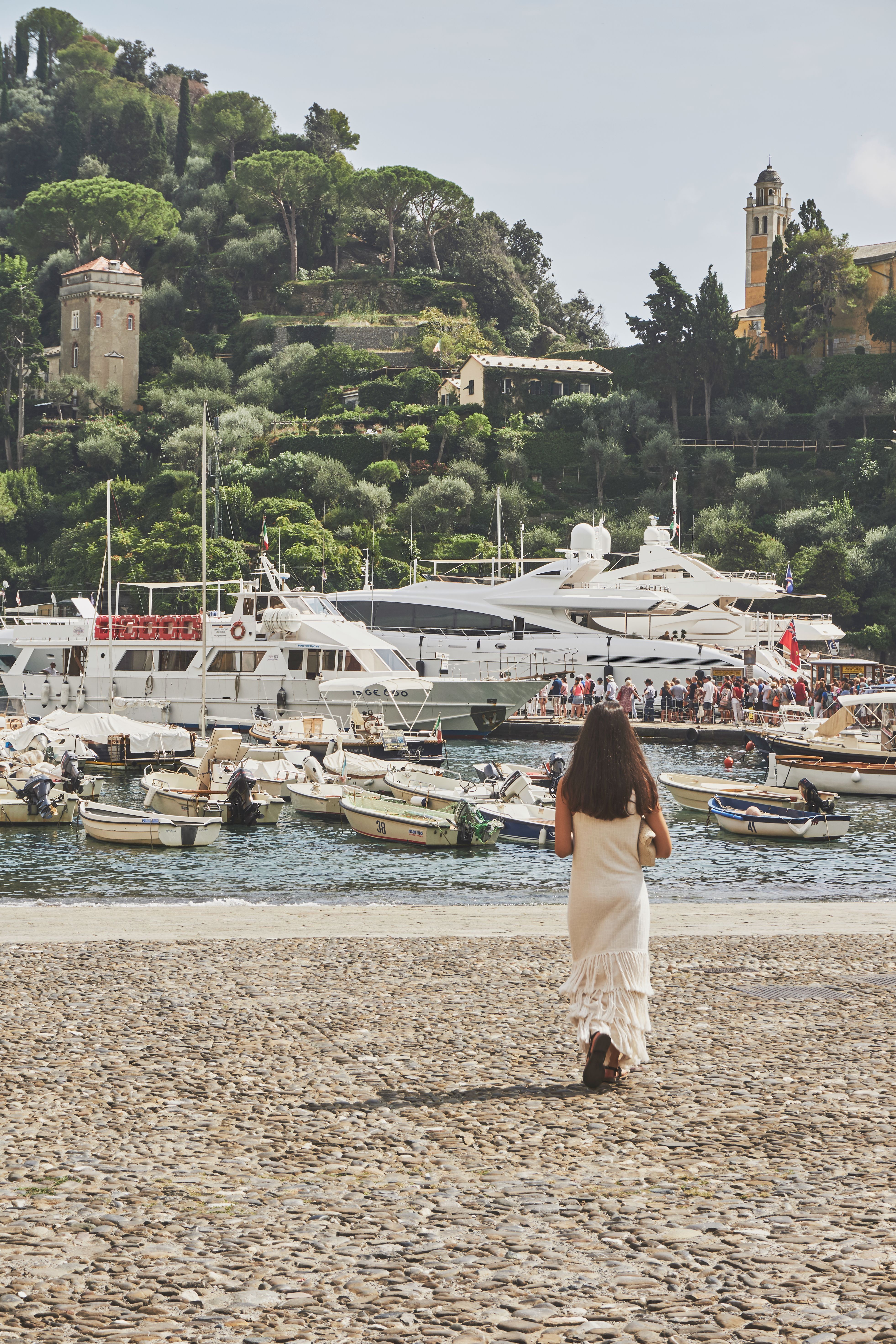
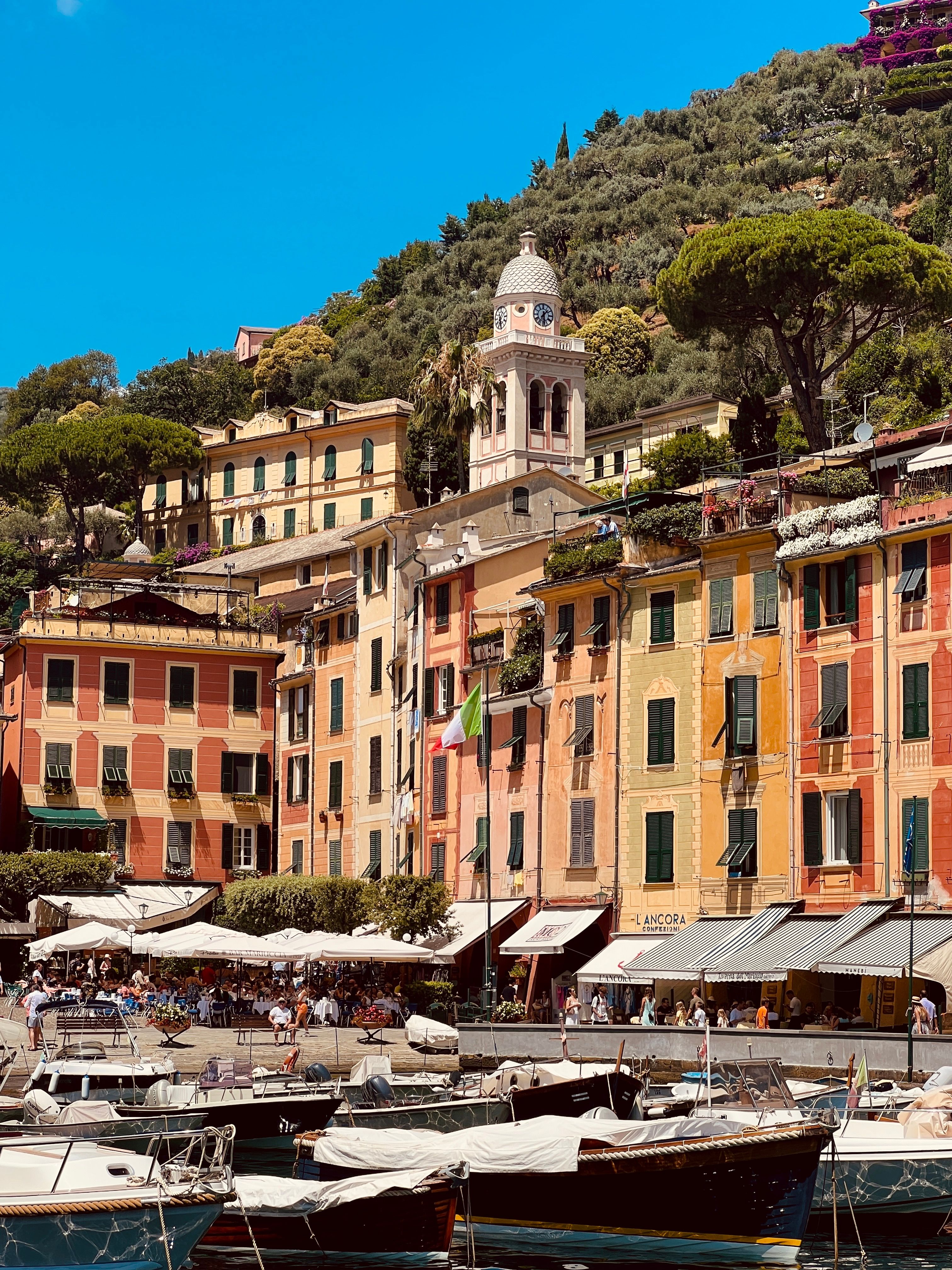
Nothing really compares to Portofino. A tiny half-moon harbour ringed with pastel facades, designer boutiques and waterfront restaurants, it has been a magnet for the rich and famous since the 1950s. Superyachts still drop anchor here each summer in search of La Dolce Vita and and fashion royalty have made it home — Giorgio Armani and the Dolce & Gabbana duo both own villas tucked into the hillside above the bay. Not to mention the Kourtney Kardashian wedding that took place here. Portofino is small, it's expensive, and it's worth every minute.
A little bigger than its neighbours, Santa Margherita Ligure was — alongside Portofino — the beating heart of the Riviera's Dolce Vita years. Through the 1950s and 60s this was where Hollywood stars, European aristocracy and the international jet set came to spend their summers: long days on the water, glamorous dinners, and dancing into the small hours. That golden-age sparkle still lingers in its grand seafront hotels and palm-lined promenade, and it makes an excellent, well-connected base for exploring the rest of the coast.
High in the hills above Portofino, the Splendido is a former monastery turned legendary hideaway: terraced gardens, a pool hanging over the bay, and nearly a century of film-star guests. Staying here isn't for everyone, but it's one of the dreamiest hotels you'll ever see.
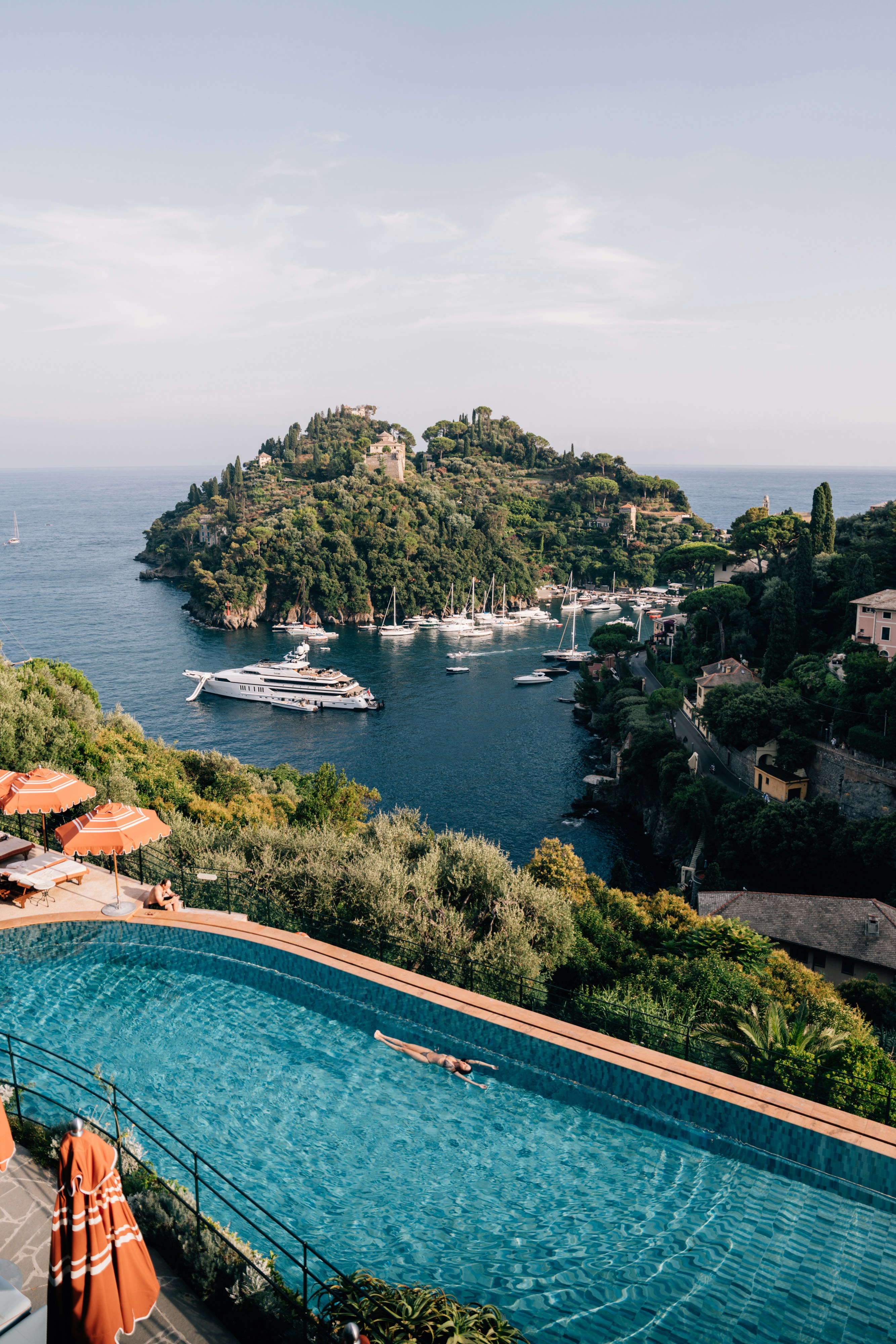
The sister hotel to the Splendido above, but set right in the heart of Portofino. You can still use the amenities up at its hilltop sister — the pool included — while enjoying the luxury of staying in the middle of town.
Check availability →A grand Belle Époque landmark on Santa Margherita's seafront, with palm-filled gardens, a heated seawater pool and wide views across the gulf toward Portofino. Old-world glamour with the Riviera at your feet.
Check availability →A frescoed early-1900s palace in subtropical gardens just above Santa Margherita, full of marble, chandeliers and terraces stepping down toward the water. Grand and a little theatrical, with a pool and a beach club below.
Check availability →A handsome hillside hotel on the road between Rapallo and Santa Margherita, with a rooftop pool, a well-regarded spa and long views over the bay. Comfortable and a bit more laid-back.
Check availability →Tucked above the tiny turquoise cove of Paraggi, halfway between Santa Margherita and Portofino — the pick if you want the area's prettiest swimming beach on your doorstep. Small and design-led, just steps from the sand.
Check availability →Just around the headland from Camogli's pastel harbour, the Cenobio dei Dogi sits above its own pebble cove and saltwater pool, with the Ligurian sea filling every window. Calmer and more understated than the grand names — a lovely base if you want the Riviera at a gentler pace and price.
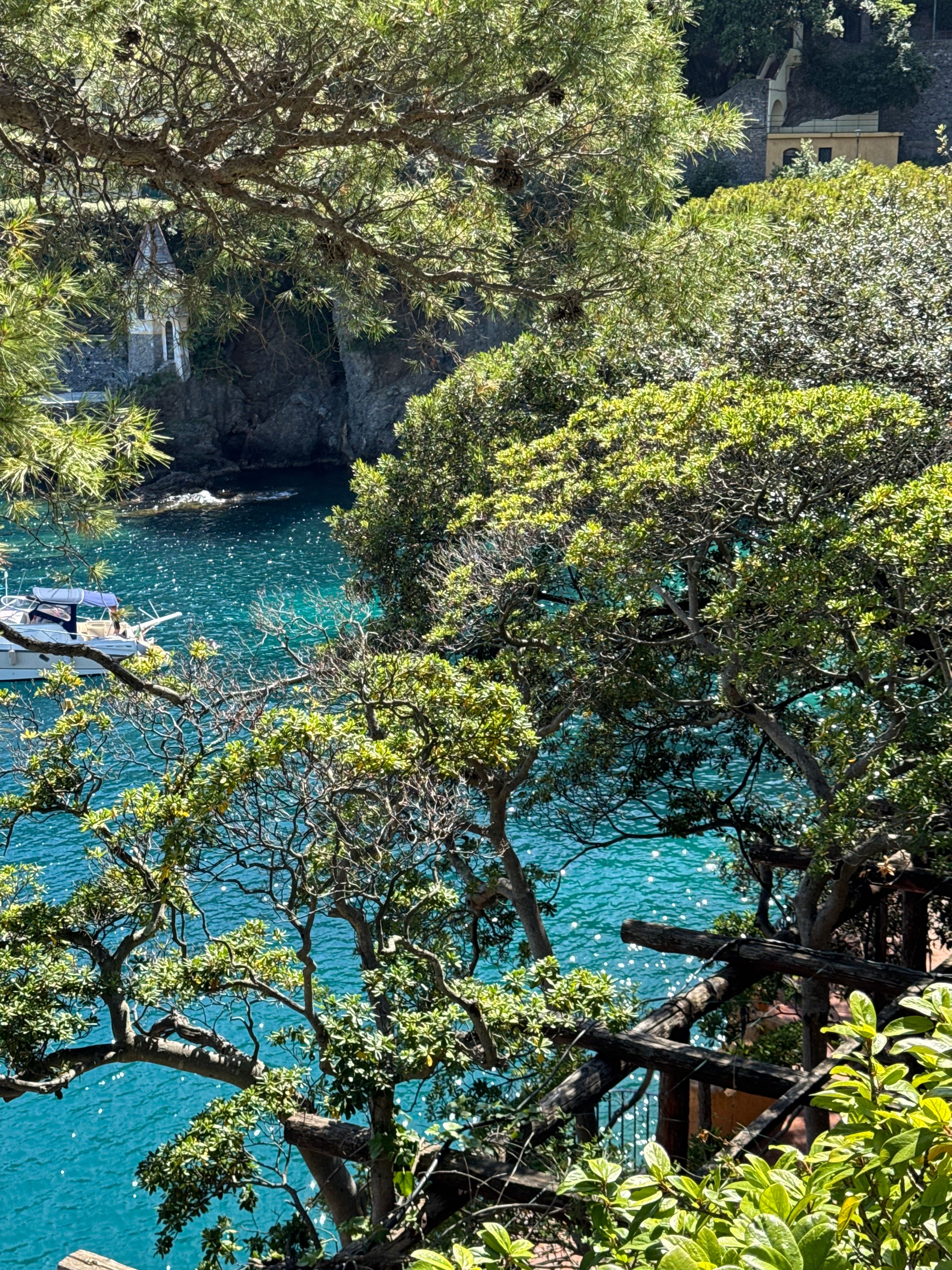
The waters around Portofino are a protected marine reserve, and because commercial fishing is off-limits, sea life has had room to flourish. You won't find coral reefs, but you have a good chance of spotting darting silver fish, sea urchins, starfish, and — if you're lucky — an octopus. Join a guided tour, or go by yourself from Paraggi bay.
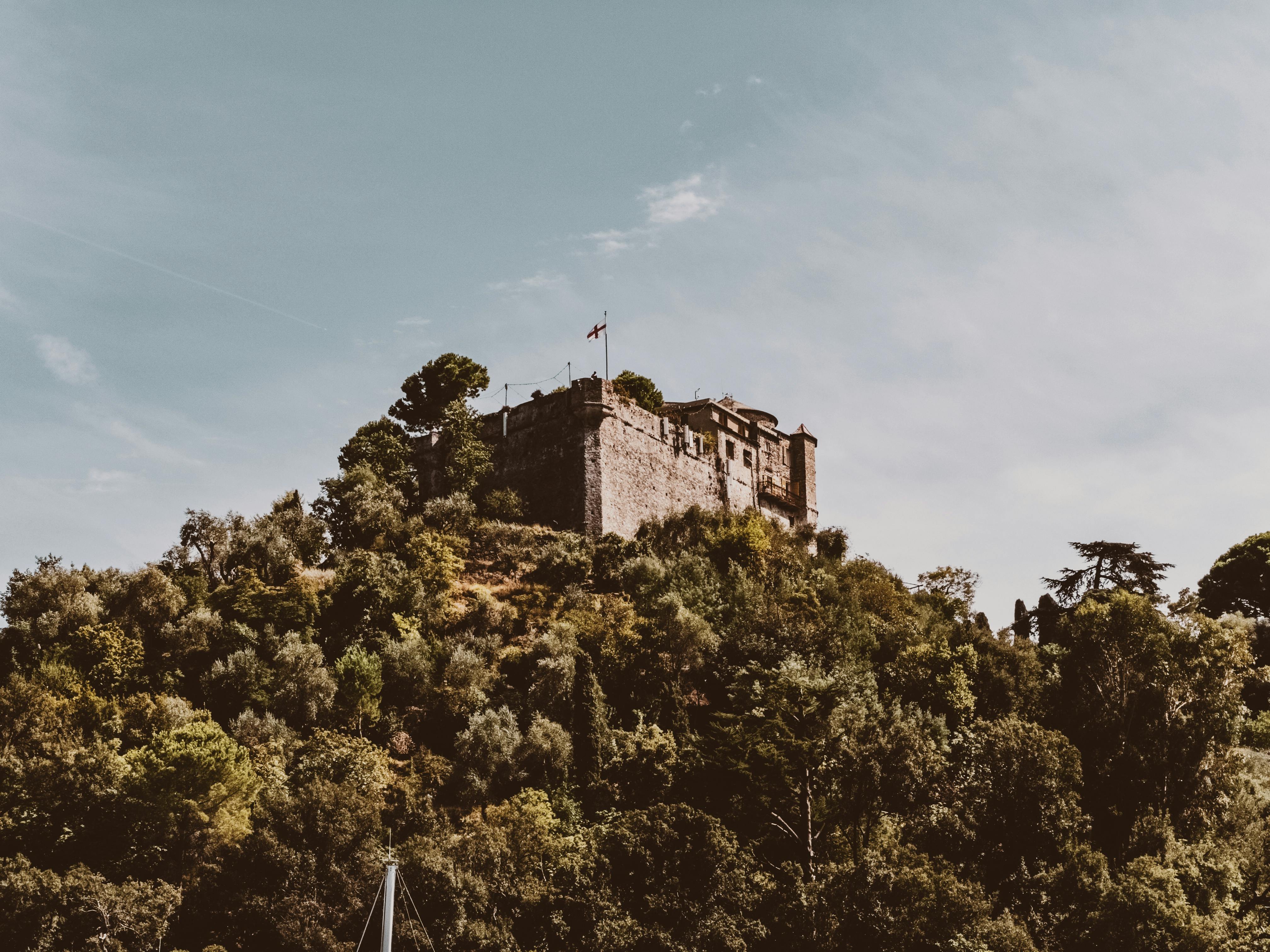
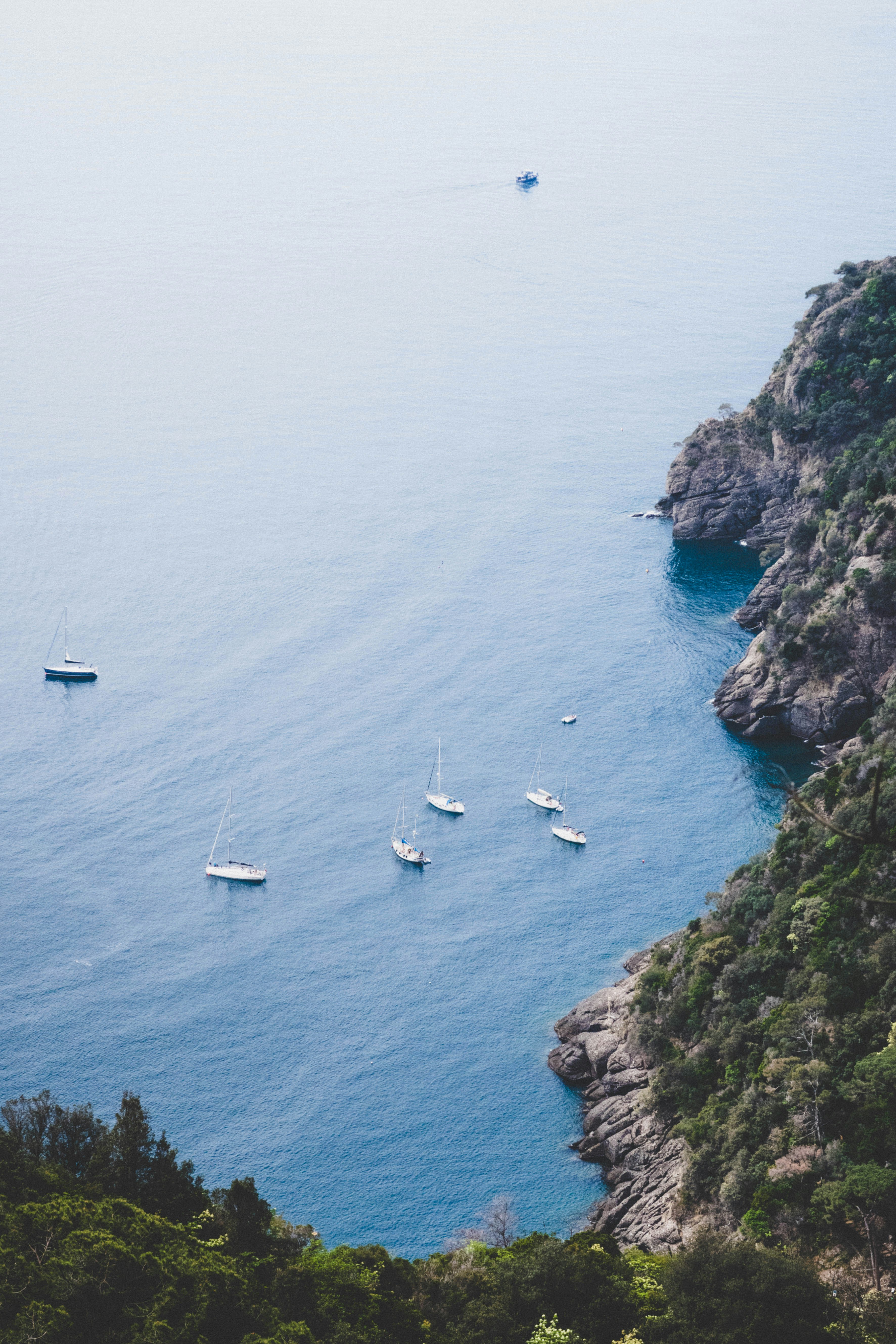
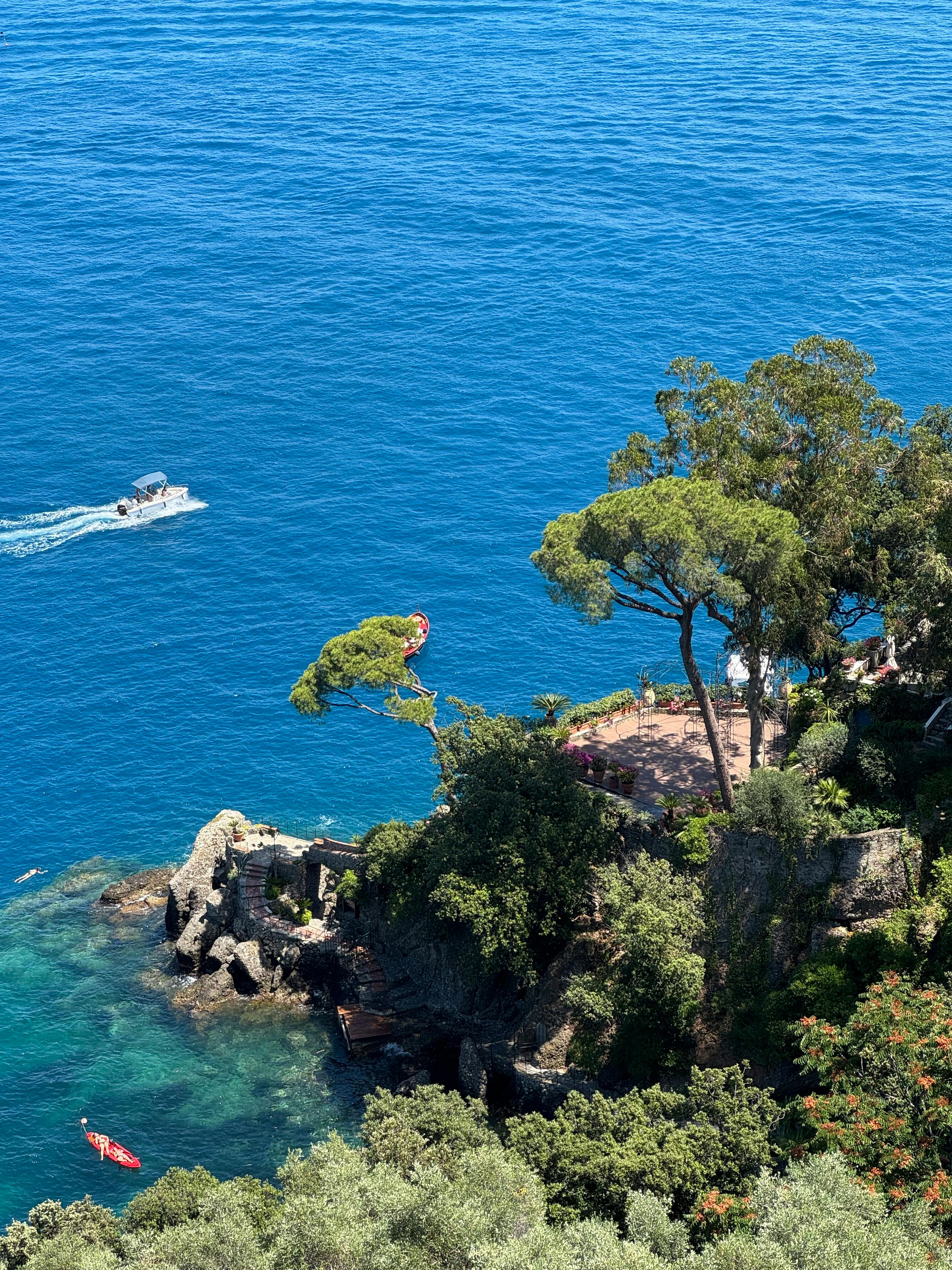
Make the short hike up to Castello Brown in Portofino, a centuries-old fort sitting high above the Portofino harbour. You will get spectacular views of Portofino. Continue to La Portafinese on the tip of the headland for a well-deserved drink with a view. Check the opening hours in advance.
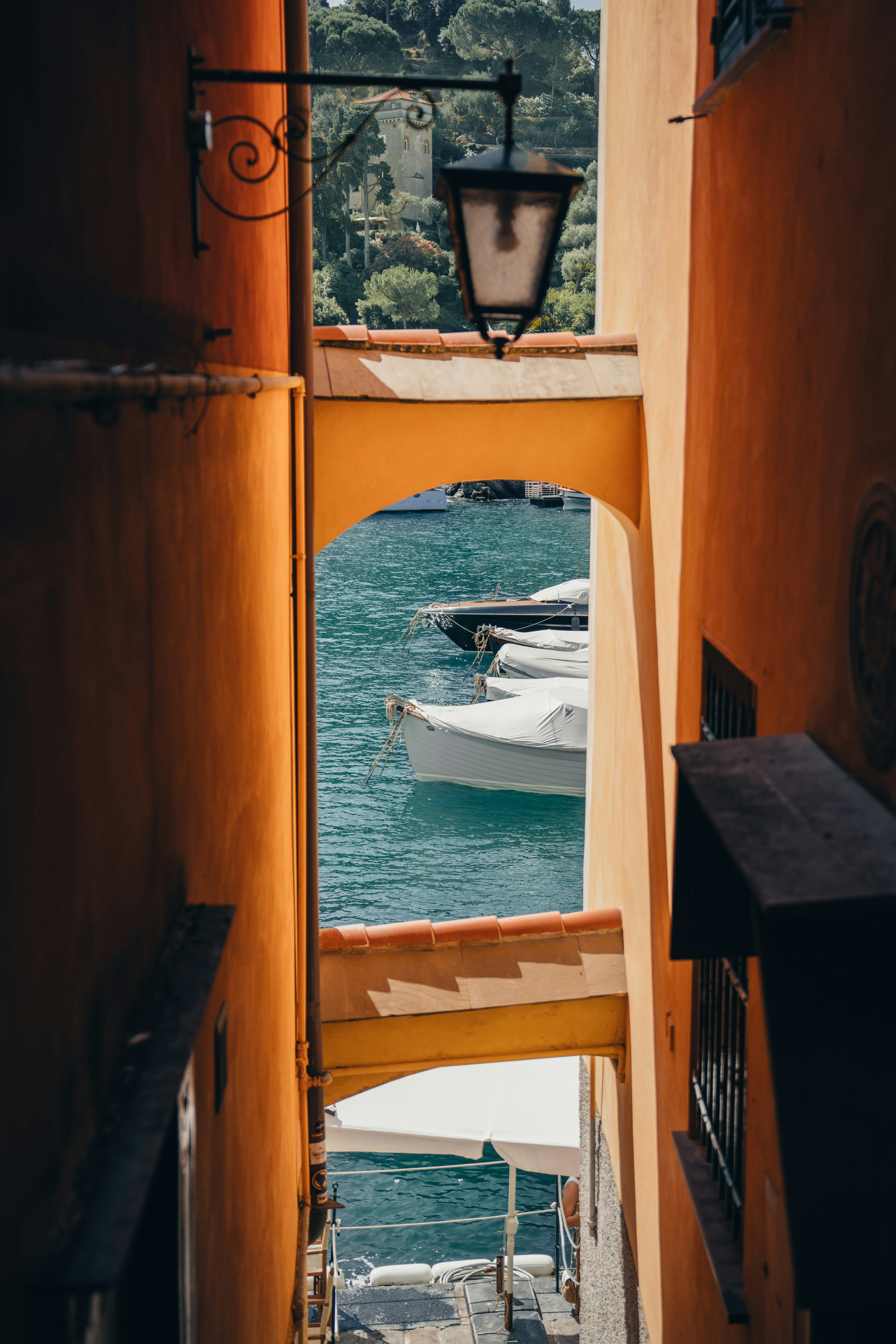
Wander the cluster of narrow lanes behind the harbour, browse the boutiques, and find a spot on the piazzetta to watch the boats and the world go by.
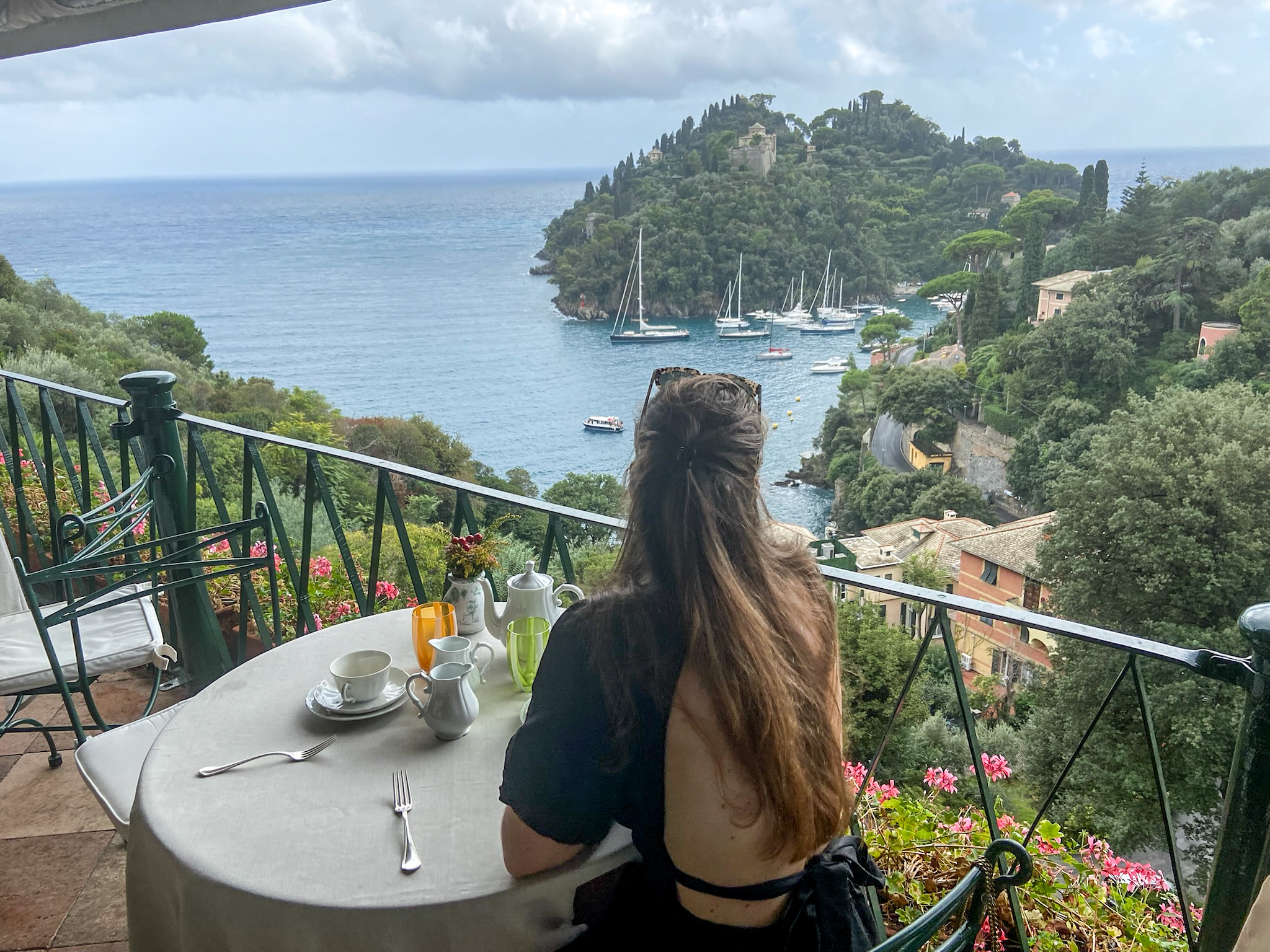
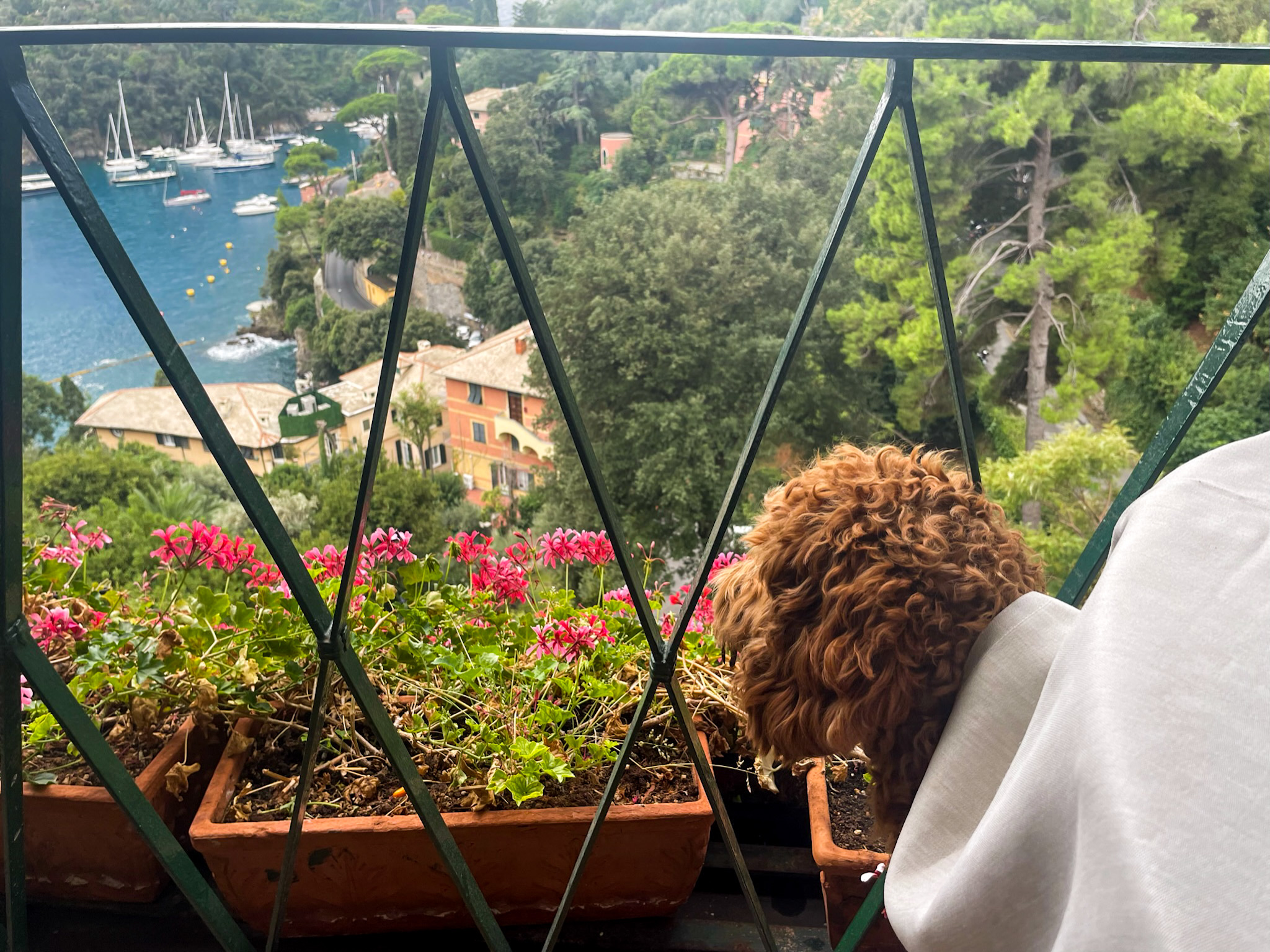
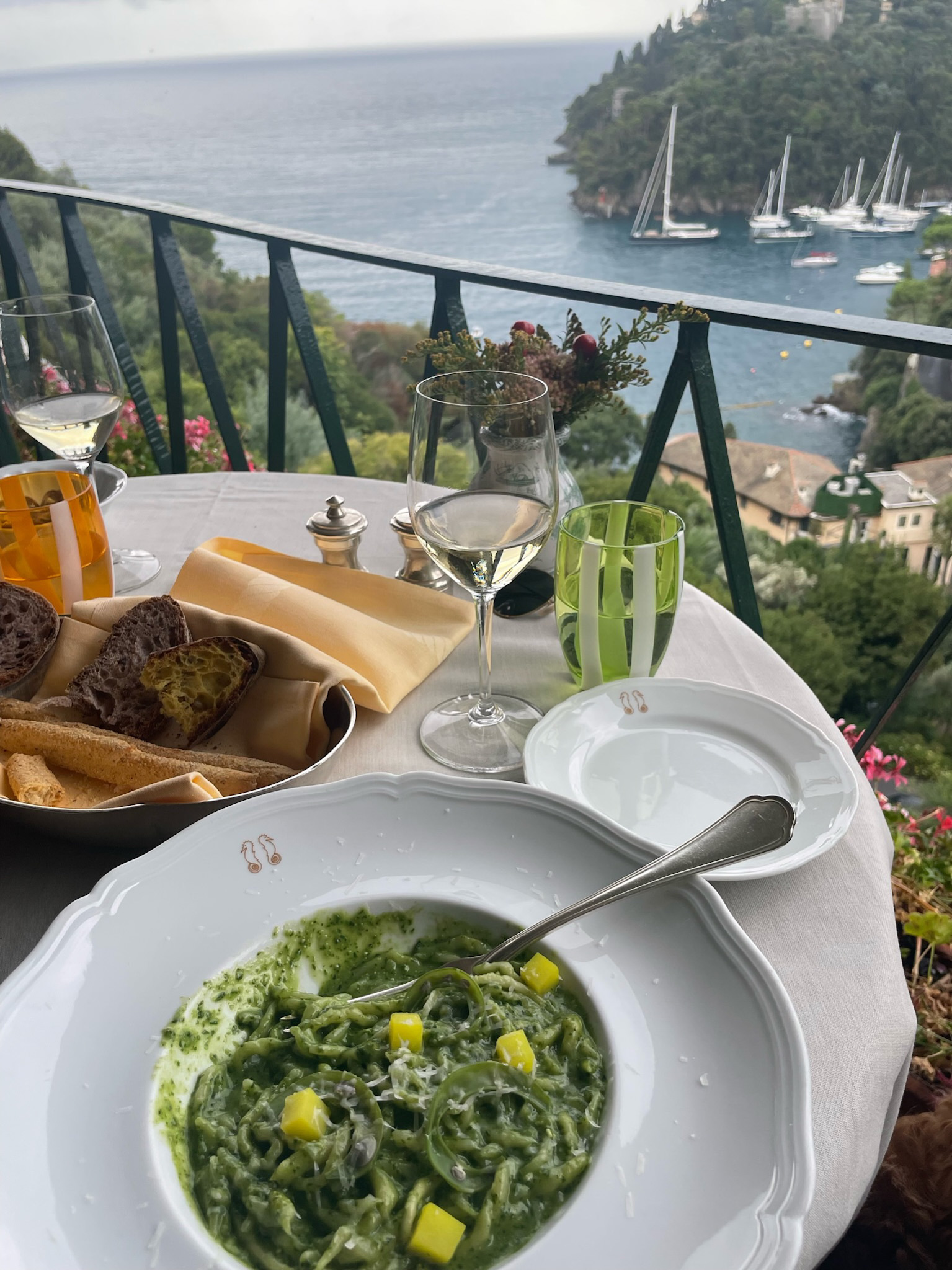
Even if not checking into the Belmond Hotel Splendido, lunch or dinner at La Terrazza is a must. It is not cheap, but worth the splurge: you're paying for a view that's hard to overstate and the food is of great quality too. Book ahead and request a table near the railing for the best photos.
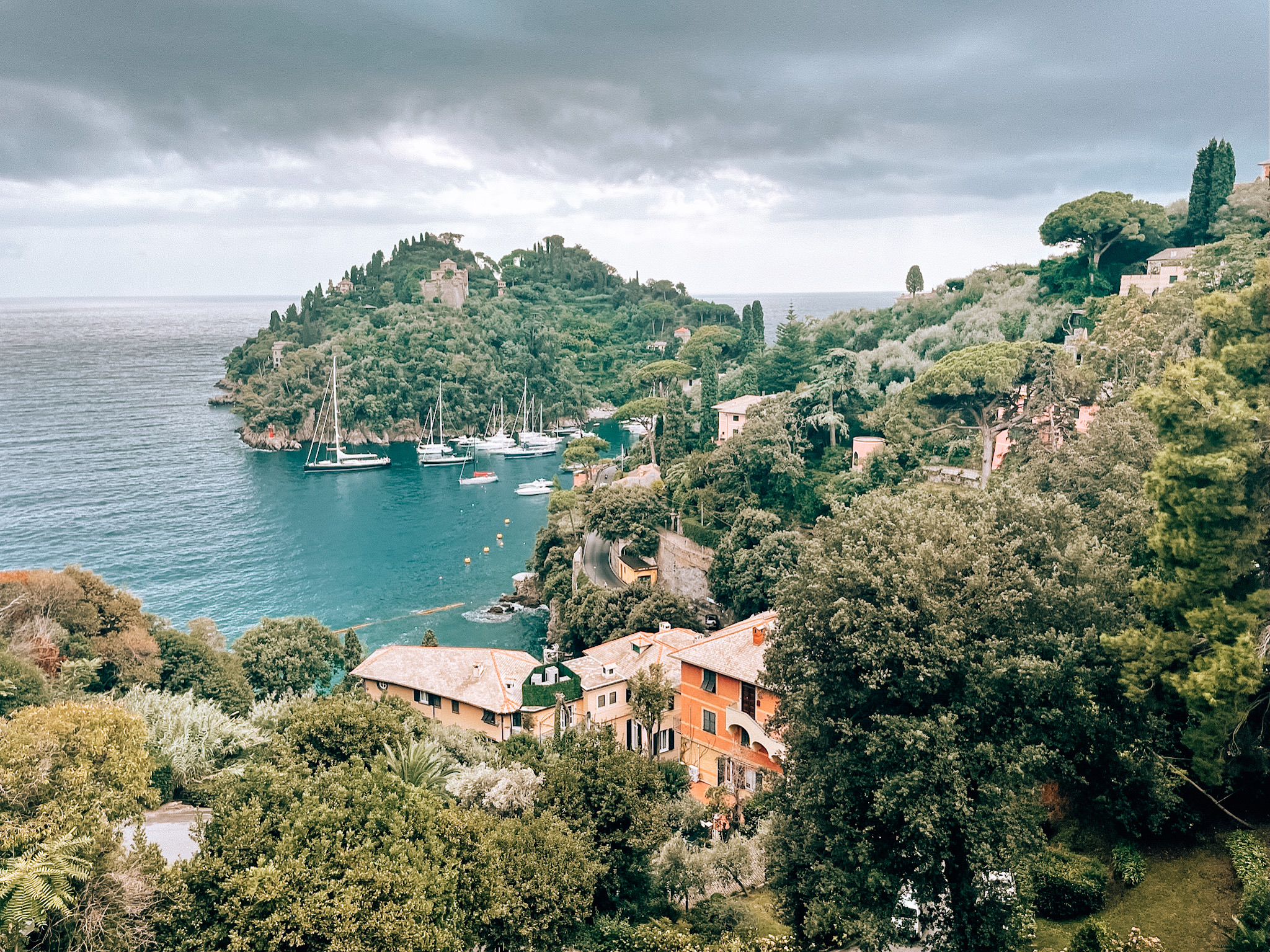
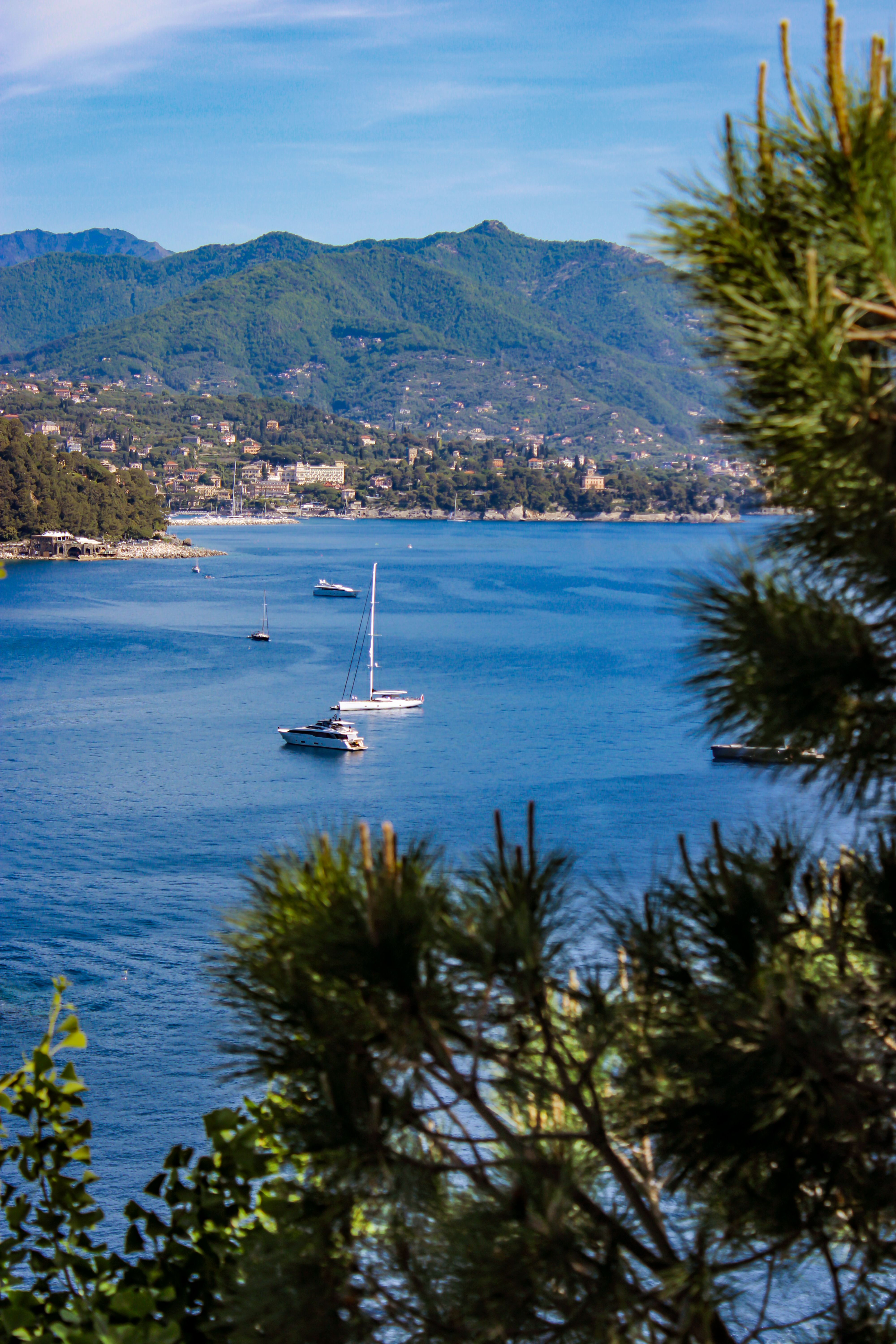
Seeing the Riviera coastline from the water is a completely different experience. There are plenty of local operators that run trips and private charters, one to recommend is www.portofinotaxiboat.it
Claim a lounger for the day at one of the beach clubs in and around Santa Margherita — Bagni Sirena and Bagni Bosetti are very photogenic options but there are plenty of others. Finish the day with an aperitivo in the harbour at the Tortuga bar: in this part of Italy a spritz almost always arrives with a generous spread of tasty bites, which is exactly how it should be everywhere.
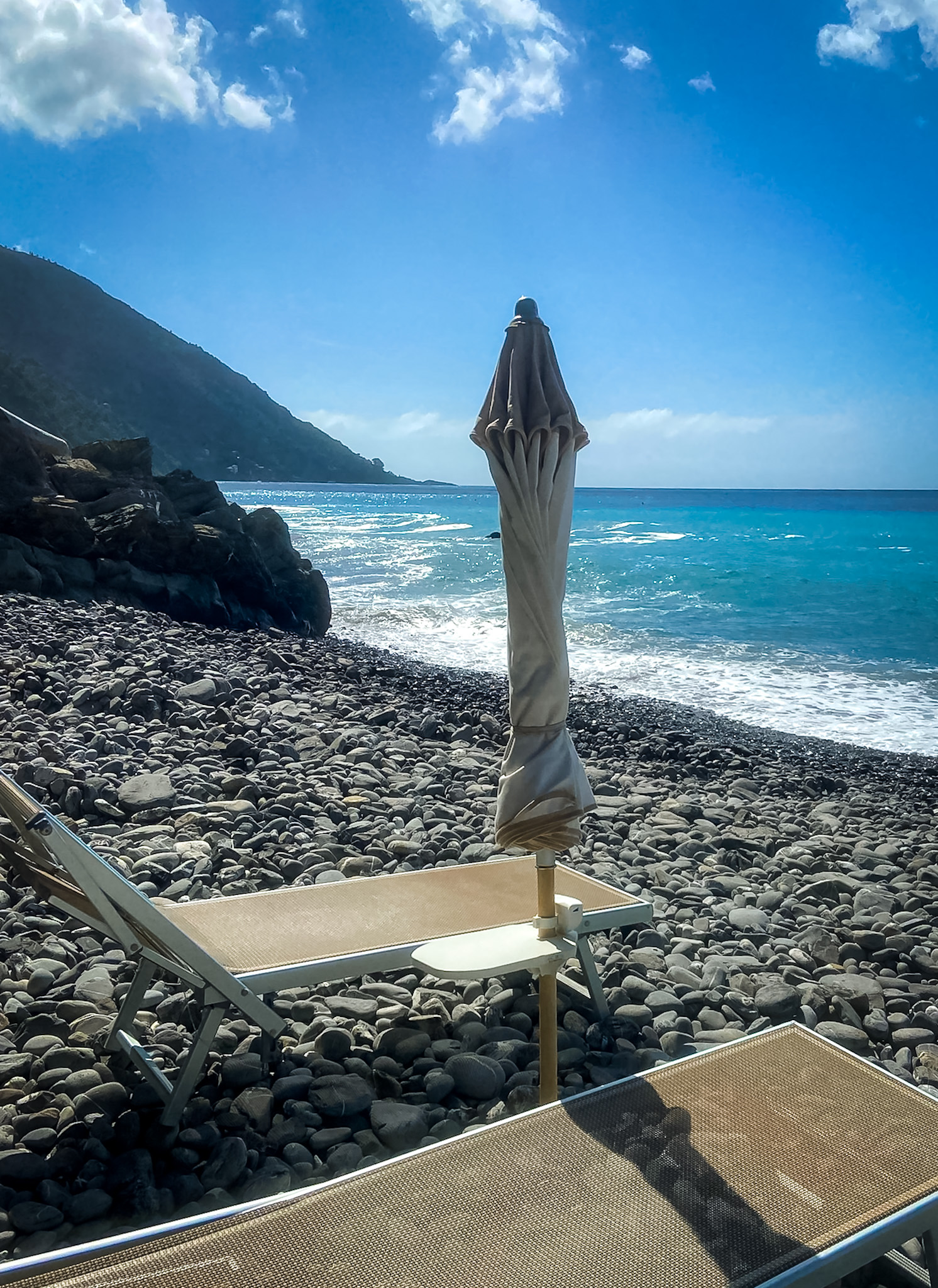
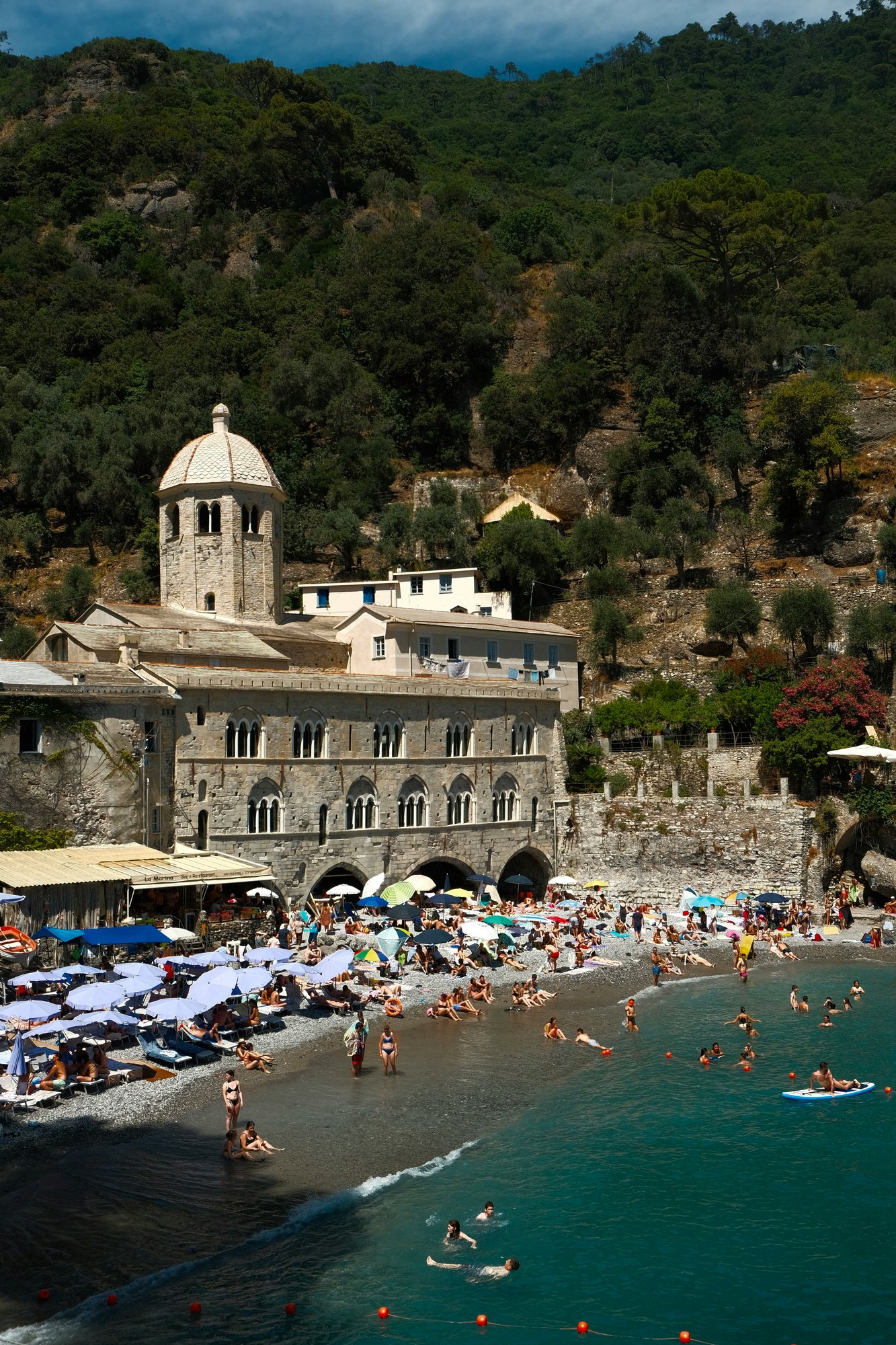
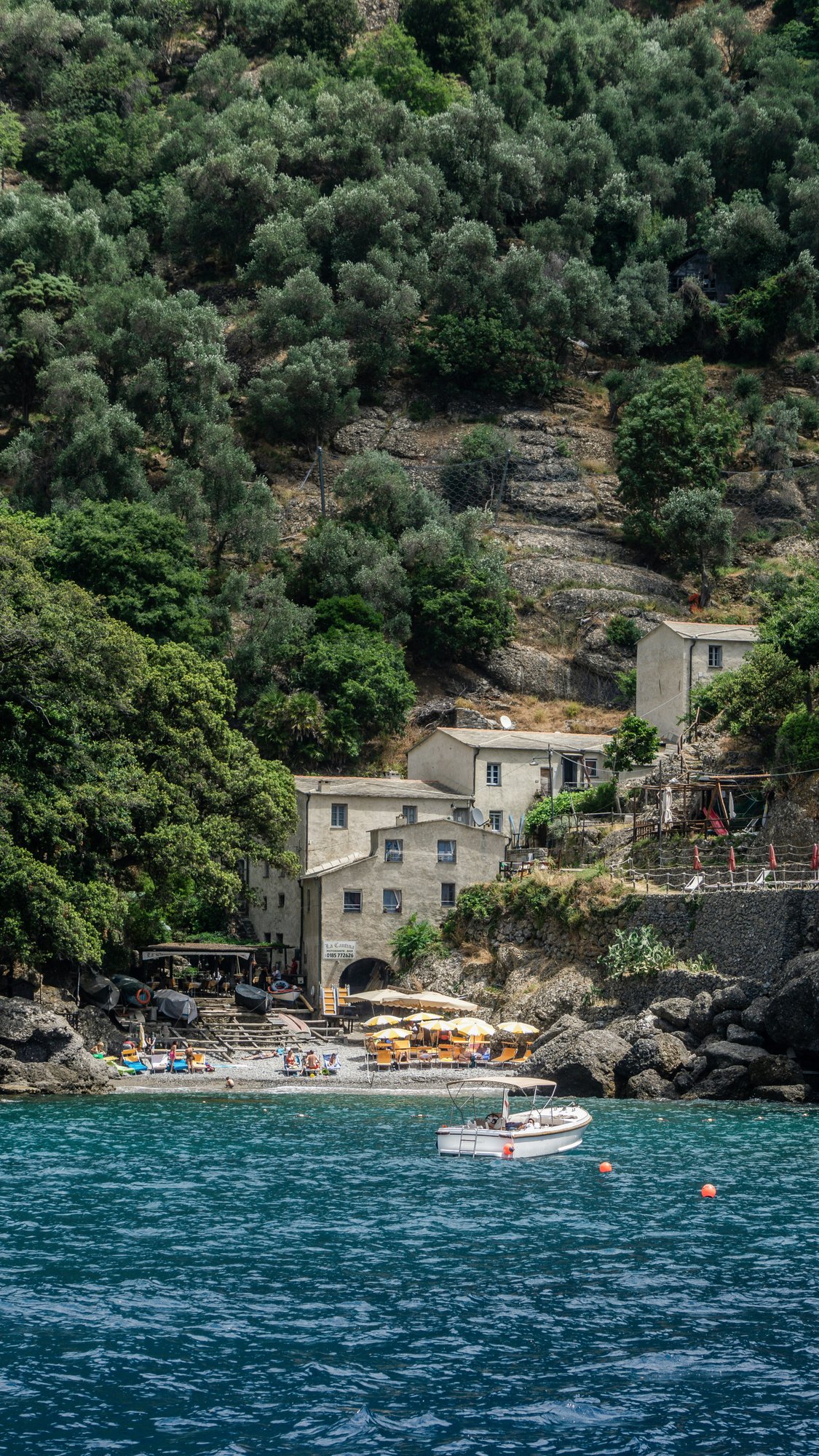
Tucked into its own cove and reachable only on foot or by sea, San Fruttuoso is one of the coast's most magical spots: a small pebbly beach with the backdrop of a medieval abbey with green hills tumbling down to the water on every side. You can earn it the hard way, on a roughly two-hour trail through Portofino Park, or simply glide in by boat — ideally with a cold drink in hand.
Ligurian focaccia is a different thing entirely from the version that's travelled the world — thinner, dimpled, glossy with good olive oil and flaky salt. Seek it out at a proper bakery: Panificio Pinamonti and Fiordiponti in Santa Margherita or Panificio Canale in Portofino. Beware: anything in Portofino will cost more. Order it plain, it needs nothing else. Thank me later.
We always like to be active during our holidays so if you like to earn your views (and pasta) like us, two hikes stand out. I would strongly advise a morning hike - make sure to carry plenty of water. The Camogli–Portofino route cuts through Portofino Park, covers around 10 km and takes roughly three and a half hours each way; on the Camogli side it starts at San Rocco, passes a few spots for food and drinks (check opening hours in advance), and with a short detour about halfway you can drop down to the beach at San Fruttuoso or you just continue to Portofino. Take a boatride back. The less challenging one runs from Santa Margherita to Portofino, about 5 km; much of it follows the road, but the views more than make up for it. Begin at the Christopher Columbus monument in Santa Margherita, and save your camera for the stretch from Paraggi onward — the so-called Passeggiata dei Baci, the Walk of Kisses.
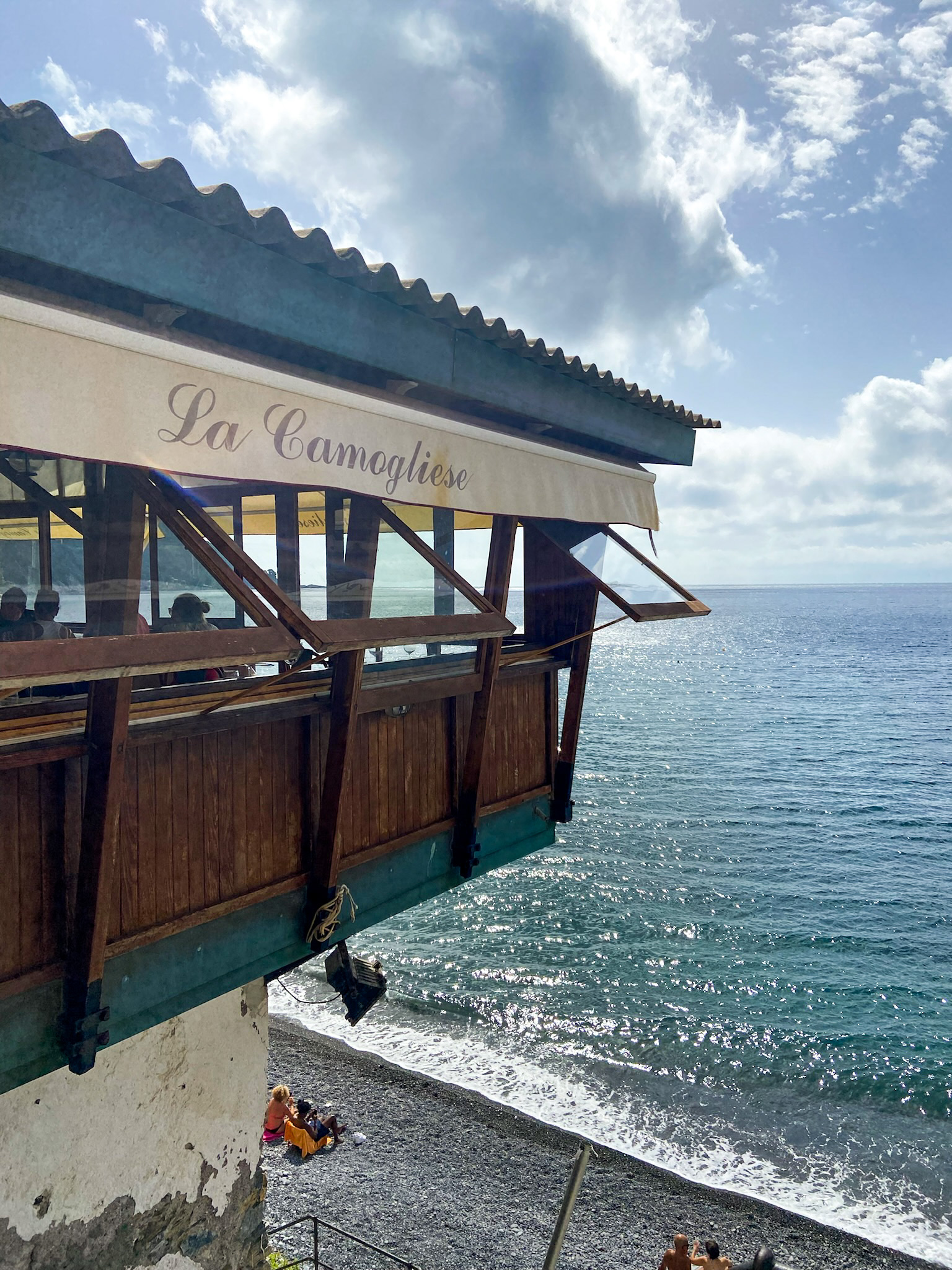
This hidden gem deserves a stroll along the old town and the harbour. Afterwards, settle in for a long lunch at one of the seafront trattorias — La Camogliese is one to recommend.
For a night out with a serious back-story, head to Il Covo di Nord-Est in Santa Margherita — the first discotheque in Liguria. Built on a rocky outcrop over the sea in 1934 and later turned into a club, by the 60s and 70s it was one of the most fashionable see-and-be-seen spots in all of Italy, drawing the likes of Frank Sinatra and Brigitte Bardot to its little private harbour. It still pulls a glamorous crowd today, with Dolce and Gabbana among its regulars.
If you want to reproduce some of the delicious Italian food you indulged on at home, book a cooking class at La Portofinese, an eco-farm above Portofino that supplies many of the restaurants. Learn to make fresh pasta, pizza or focaccia from scratch — with the sea glittering below you. You eat what you make.